6 Simple Tips to Reduce Plastic Waste
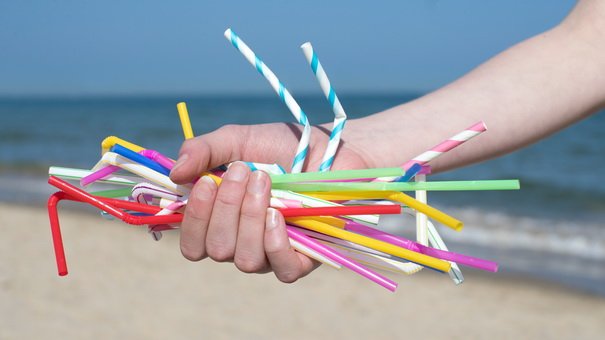
While it’s widely acknowledged that plastic poses a significant threat to our environment, just how grave is the situation? Plastic Oceans reports that the global community generates approximately 300 million tons of plastic annually, with half of that being intended for single-use purposes. Compounding the issue, over 8 million tons are released into the oceans each year.
That’s alarming.
If you’re not prepared to eliminate plastic altogether, there are numerous straightforward lifestyle adjustments you can adopt to contribute to environmental preservation. Although these changes may seem minor, they collectively play a substantial role in minimizing plastic waste and safeguarding marine life. Below are six simple ways to reduce your plastic consumption. (See also: 8 Items We Continue to Purchase That Harm Our Planet)
1. Eliminate plastic bags
A growing number of municipalities are implementing bans on plastic bags, and it’s easy to see why. The U.S. Environmental Protection Agency estimates that Americans utilize over 380 billion plastic bags and wraps each year, with most of them being discarded after a single use, leading to a staggering amount of waste.
Fortunately, there are plenty of sustainable alternatives. Consider employing reusable canvas tote bags for your grocery shopping. Many grocery stores offer these bags at a reasonable price, and they can be used for years before needing to be replaced. (See also: 10 Common Items That Can Be Repurposed into Tote Bags)
2. Opt for secondhand shopping
Many consumer goods such as toys, gadgets, and clothing often come with extensive plastic packaging and are frequently disposed of after limited use. By purchasing secondhand, you can significantly cut down on plastic waste.
To discover bargains, explore local thrift stores like Goodwill, or check out online platforms such as eBay, Poshmark, and Facebook Marketplace. Buying pre-owned items is not just eco-friendly; it can also save you money. (See also: 8 Essential Items to Always Buy Used)
3. Rethink your grocery habits
Grocery shopping is unavoidable, but often entails significant plastic packaging, especially with single-serve and pre-packaged items like yogurt, cheese, and snacks, which typically require more materials than bulk purchasing.
Combat excess packaging by choosing unpackaged fruits and vegetables, buying in larger quantities, and seeking packaging alternatives like glass containers. (See also: 10 Surprising Items You Can Buy in Bulk)
4. Embrace reusable items
The convenience culture leads to a substantial amount of waste. Just consider the vast quantities of disposable coffee cups, plastic straws, and cutlery discarded weekly. According to the National Park Service, Americans use over 500 million straws daily—enough to fill 125 school buses!
You can mitigate this impact by switching to reusable options. For instance, invest in a stainless steel or glass water bottle instead of relying on bottled water. Stainless steel, silicone, and glass straws are becoming quite popular—or you might opt to forgo straws entirely.
For coffee, consider a travel mug, which not only benefits the planet but also keeps your beverage warmer for longer. Additionally, many cafes offer discounts for patrons who bring their own reusable mugs. (See also: The Top 5 Reusable Straw Options)
5. Revise your toothpaste choice
Did you know that your toothpaste could contain plastic? Microbeads—tiny plastic particles—are commonly used in many personal care products, including toothpaste, facial scrubs, and body washes.
With every use of microbead-containing products, plastic is washed away down the drain. Thankfully, the FDA has enacted regulations banning microbeads from many products, although certain items may remain on shelves until 2019.
Be vigilant in checking product labels to ensure they don’t include microbeads, and don’t forget to inspect older cosmetics as well.
6. Recycle wisely
No one can completely avoid plastic, and waste is sometimes unavoidable. However, one of the worst things you can do is toss your plastic waste indiscriminately. Recycling helps keep plastic out of landfills, where it can take centuries to decompose.
Recycling regulations vary by location, so it’s essential to familiarize yourself with your local guidelines. Websites such as Recycle By City or your municipality’s site can provide detailed information on recycling correctly. (See also: 18 Innovative Ways to Repurpose Plastic Shopping Bags)