13 Easy Gardening Skills Anyone Can Learn
Engaging in gardening can be an enriching lifelong endeavor that not only enhances physical fitness but also helps to reduce grocery expenses, and—if I may say so—contributes to a more vibrant existence.
Many individuals embark on the home gardening journey with similar aspirations, only to discover by summer’s end that they have invested considerable money into wilted plants and insect-infested produce.
The majority of these gardening setbacks stem from human oversight rather than a catastrophic pest infestation. Mastering these 13 essential gardening skills will both maximize your enjoyment and minimize expenses.
1. Assessing Soil Quality
Prior to planting, it is crucial to ascertain whether your garden soil can sustain life.
The first factor to examine is your soil’s pH level. Is it alkaline, acidic, or neutral? Highly alkaline or acidic soil can hinder plants from absorbing essential nutrients like nitrogen, phosphorus, and potassium, leading to nutrient deficiencies. While professional lab tests are available, there are also several affordable methods to assess soil pH at home.
Another aspect to consider is the soil structure. Sandy soil may not retain nutrients well, while overly clayey soil can restrict roots from accessing air and water.
Although some gardeners may be fortunate to have ideal soil conditions, many deal with less than perfect soil. Fortunately, even less-than-ideal soil can be enhanced with amendments.
2. Composting
Compost is one of the best additions for enhancing your garden. It acts as an excellent soil conditioner, improving both texture and nutrient content in various soil types. Moreover, as compost consists of food scraps, it serves as a cost-effective alternative to synthetic fertilizers and minimizes waste disposal fees.
Essentially, composting is a controlled decomposition process. Contrary to the common misconception, a well-maintained compost pile isn’t unpleasant, and the process is manageable since nature’s microbes and worms do the bulk of the work. Compost is made up of two types of materials: green waste, which includes nitrogen-rich items like grass clippings and food scraps, and brown waste, consisting of carbon-rich materials such as dead leaves and cardboard. If your compost emits a foul odor, add more brown materials. Conversely, if it’s breaking down too slowly, increase the green materials. A healthy compost pile will emit a pleasant, earthy aroma and possess a balanced texture.
Embracing composting has significantly reduced what our household contributes to landfills, benefiting not just us but the environment too. In addition to composting my vegetable scraps and yard waste, I also include greasy pizza boxes and non-recyclable food cartons.
Furthermore, compost enhances my clay-heavy soil’s water retention, crucial during the ongoing drought in Southern California.
3. Sunlight Monitoring
For successful vegetable growth, ample sunlight is pivotal. If your backyard is perpetually shaded, your harvest may fall short of expectations. The amount of sun your garden receives dictates what plants can thrive. While there are apps available, a simple pen and paper can suffice for tracking sun exposure.
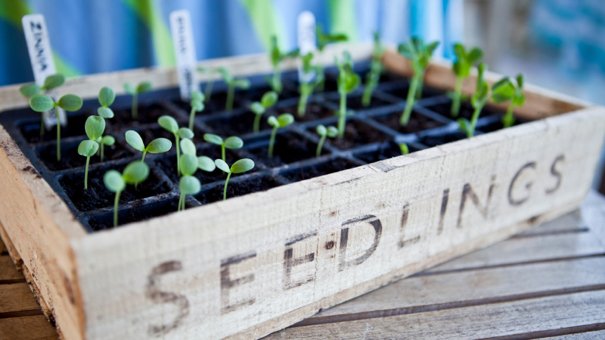
4. Starting from Seeds
Growing your vegetable and flower garden from seeds offers two significant advantages. There’s a wider selection available as seeds compared to seedlings, and from a financial perspective, it’s generally the most economical way to cultivate plants.
Remember, you can use Food Stamps to purchase seeds and produce. For instance, investing $3.00 in a pack of tomato seeds can yield a bountiful harvest, providing exceptional returns on your investment.
5. Seed Preservation
Instead of buying new seeds, consider using seeds from the previous season’s harvest. This not only helps to minimize your garden expenditures but also fosters community connections. A friend of mine has created an impressive victory garden from seeds checked out from the Kansas City Public Library using his library card. If you’re passionate about seed sharing but lack local resources, the Richmond Public Library in California provides guidance on establishing your own seed library!
6. Gardening in Containers
Not everyone has the optimal soil or space available for planting. Thankfully, container gardening offers a solution for apartment residents to cultivate their own green paradise. While I enjoy showcasing my collection of terra cotta pots, you can also grow an abundance of food in alternative containers like plastic bins and repurposed food buckets. Numerous creative ideas for upcycled planters can be found on Pinterest, using materials you likely already have.
7. Plant Propagation via Cuttings
Growing succulents from cuttings is a skill I picked up as a child and have since embraced. Each year, when I trim back my succulents, I save the clippings to exchange with neighbors, sell during garage sales, or pot for gifting. Plants make excellent gifts for nearly any occasion, and this skill alone saves me at least $100 annually, factoring in what I avoid spending on gifts and what I earn. Additionally, I was able to fill 90% of my front yard using cuttings gathered from friends and acquaintances, which has significantly reduced my landscaping expenses.
Of course, there’s an entire range of indoor and outdoor plants that can be propagated from cuttings beyond just succulents.
8. Transplanting Techniques
My husband has a penchant for collecting various plants, which previously led to about a 50% survival rate for his transplants. It wasn’t until recently that we learned the critical need to water newly transplanted plants immediately to avoid shock. After grasping this fundamental rule, his plant loss rate has dramatically decreased.
9. Proper Watering
While most people understand the risks of underwatering, many are unaware that overwatering is a frequent cause of indoor plant failure. Fortunately, mastering effective watering techniques—whether for outdoor or indoor plants—is straightforward. Furthermore, improving your watering methods can lower your water bill, even outside drought-prone areas.
10. Utilizing Mulch
I’m a huge advocate of mulching, as it delivers instant improvement. A mulch application instantly tidies up the garden while suppressing weeds and assisting with moisture retention.
My preferred method, often referred to as “liquor store mulch,” allows me to avoid pre-weeding. Here’s my process for laying mulch:
- Acquire cardboard boxes from a local liquor store.
- Layer the flattened boxes over the entire area, including weeds, working around existing plants.
- Thoroughly wet the cardboard.
- Add a layer of green waste on top, such as compost or grass clippings, often provided for free by a neighbor who raises chickens.
- Cover the green waste with brown materials like dead leaves or shredded cardboard, based on what’s available.
- Water it down well.
- Be patient. By the next year, you’ll have enriched topsoil with significantly fewer weeds.
If you don’t plan on gardening next season but want to enhance your current setup, you may be able to receive free mulch created from city trees through recycling programs. Just apply this wood mulch over cardboard for a quick fix.
11. Pest Control
My mother was an exemplary gardener who enlisted my sister and me to manage pests as soon as we were capable of wielding garden tools without harm. Each morning, we went on the hunt for slugs, often employing rather extreme methods to rid the garden of them. This early training made me quite proficient in tackling garden nuisances.
However, my approach to managing pests extends beyond simply eliminating slugs. I favor companion planting, allowing nature to assist with maintenance. A cherished gardening trick of mine involves The Three Sisters method, an ingenious Iroquois practice that entails growing corn, climbing beans, and squash together. The corn provides a natural trellis, while the beans enrich the soil with nitrogen. The squash’s prickly leaves serve as mulch and protect the roots of the other two crops from animals. Such synergy highlights nature’s brilliance.
As a beekeeper with a koi pond, I avoid chemical pesticides to protect my pets. Thankfully, there are numerous effective homemade bug sprays that can be concocted from everyday kitchen ingredients.
12. Trimming and Pruning
While certain tree pruning tasks are best left to professionals, trimming shrubs and smaller plants is fairly straightforward once you grasp the basics. Although many view pruning primarily as an aesthetic exercise, it plays a crucial role in maintaining plant health by removing damaged or dead sections. Pruning can also boost productivity by channeling more energy into producing blooms or fruits.
13. Tool Maintenance
I must admit, I’m not the best at maintaining my tools. After repeatedly replacing wooden-handled tools left outside in the weather—investing much too much in the process—I eventually splurged on durable, rust-proof metal options. Learn from my mistake: keeping tools in good shape is remarkably simple. By cleaning them after each use and storing them in a dry location, most hand tools can last a lifetime.
Do you have recently honed gardening skills? What techniques have you found to be the most effective in saving time and money in your gardening endeavors?