10 Budget
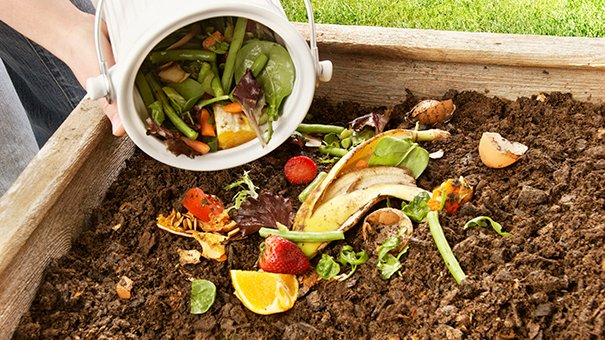
Composting is likely something you’ve heard about or even pondered over. This eco-friendly practice is much more than just a way to reduce waste and create nutrient-rich fertilizer for your plants; it can also lead to significant savings. Here are 10 compelling reasons why thrifty individuals should consider starting a composting routine today!
1. Cuts Down on Trash Tags
Consider all the organic waste—like banana peels and eggshells—that you’ve tossed in the trash just this past week. That all adds up! According to Duke University’s Center for Sustainability & Commerce, the average American discards more than four pounds of waste daily. If you have to pay for waste removal services or purchase trash tags, cutting down on your garbage can lead to noticeable savings.
2. Provides Free Fertilizer
If you have a garden, you’re aware that maintaining it can become costly. As noted by Bargain Babe, compost is one of the best gifts you can give your plants. By creating your own compost, you can avoid buying compost from a store each year. Typically, she spends around $16.98 on two cubic yard bags per season, which tallies up to about $85 over five years. The larger your garden grows, the more you can save!
3. Enhances Soil Quality
Why is compost so beneficial for gardens? It’s a wonderful soil conditioner. Adding compost improves the soil’s texture, allowing it to retain more nutrients, moisture, and air—critical elements for thriving plants. Consequently, you’ll find yourself watering less (which is a nice financial bonus), and your plants may produce a better yield. Growing your own produce can lead to a decrease in your weekly grocery expenses.
4. Acts as a Natural Pest Repellent
Another advantage of using compost in your garden is the natural pest control it offers—all without harmful chemicals. According to the University of Illinois Cooperative Extension, compost-enriched soil can produce plants that experience fewer pest issues. It can also guard against diseases that typical soil may not shield against. In particular, leaf compost can help keep nematodes at bay.
5. Eliminates Lawn Care Costs
Using compost on your lawn can save you from needing professional lawn treatment services this year. By avoiding chemical fertilizers and herbicides, you’ll create a healthier environment for your family and pets. Simply apply a thin layer—about a half-inch—of compost to your grass once or twice a year to see positive results. This simple method can even remedy those annoying brown patch areas.
6. Offers Affordable Outdoor Activities
Embarking on outdoor activities and connecting with nature can be a budget-friendly and enjoyable experience for everyone in the family. If you’re unsure where to start, consider square foot gardening. A raised bed is an easy way to grow plants. Decide on what you want to cultivate, pick up seeds or plants from a local nursery, draft a garden plan, and begin the process!
7. Potential to Earn Money
Believe it or not, composting could earn you some cash! Several cities, including Plymouth, Minnesota, offer grants or incentives to encourage composting initiatives. For instance, in 2012, Plymouth provided resident grants up to $100 to assist in establishing backyard composting. These funds helped individuals acquire the necessary materials for their gardens. Although such programs aren’t available everywhere, it’s worthwhile to explore what your local area may offer.
8. Opportunity to Meet New People
Participating in composting can connect you with others you may not have met otherwise. Look for free composting workshops—often available through community programs—where like-minded individuals gather. Building friendships can expand your network, yielding shared resources, tools, and knowledge. Plus, it’s enjoyable to meet new folks!
9. Heightens Awareness of Food Waste
One significant benefit composting has brought to our home is an increased awareness of how much food we waste. The more we added spoiled items from the fridge into the compost bin, the more we realized the need for better meal planning. We began drafting grocery lists outlining breakfasts, lunches, and dinners for the week, resulting in minimal food spoilage.
We even utilize food scraps before they reach the compost pile; for instance, we turn vegetable peels and other scraps into homemade broth. Simply collect carrot peels, onion skins, celery leaves, and similar items in a bag in the freezer, simmer with water for 45 minutes, strain the mixture, and you have nutritious broth while maintaining the compost pile.
10. Affordable Starting Costs
Creating a simple compost bin can cost less than $5. You may even discover that you have all the necessary materials at home already. Use a basic plastic storage container with a lid, drill holes in it for air and drainage, and layer some dirt at the bottom. Toss in your food scraps and make it a point to mix it weekly. That’s all it takes to get started! You might have usable compost within four to six months.
Do you compost? We’d love to hear your tips!
Enjoyed this article? Consider pinning it!