12 Tips to Survive Long Flights
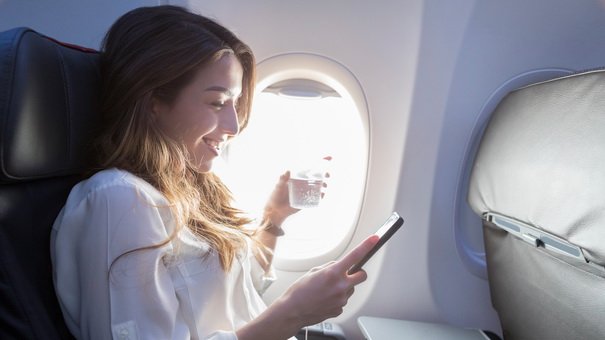
Sitting for prolonged periods on a long flight, which can last 11 to 16 hours, requires preparation akin to training for a marathon. It’s much like enduring the heat of a desert away from the conveniences of modern life – while flight attendants may provide some assistance, they won’t have everything you may need at hand. Thus, being well-prepared is essential for a more comfortable journey.
1. Consult your physician regarding deep vein thrombosis
Deep vein thrombosis (DVT) is a serious condition where blood clots can develop in the legs or pelvis, and extended periods of immobility during flights can elevate the risk. If you have specific risk factors like smoking, obesity, or pregnancy, it’s wise to discuss preventative strategies with your doctor. They may suggest the use of compression stockings.
Even if you’re generally healthy, consider performing some in-flight stretches and exercises to promote circulation. Additionally, make it a point to stand up and walk around at intervals, even in a cramped middle seat.
2. Create your survival kit
Your carry-on bag should contain essential items to ensure your comfort, sanity, and wellbeing throughout the journey. You wouldn’t want to find yourself on a long flight without a necessary medication or personal item.
Most importantly, include extra supplies of any prescription or over-the-counter medications you may require. For instance, I never travel without ibuprofen for potential headaches and melatonin to regulate my sleep according to my destination’s time zone. A decongestant may also prove beneficial. The Aerospace Medical Association further recommends bringing a nasal spray and eye drops to combat dryness in the cabin air.
Don’t forget to add comfort and hygiene items: I always pack extra lip balm and a 3 oz. container of unscented hand lotion, along with tissues, feminine hygiene products, and a few adhesive bandages. If you wear contacts, remember your case and solution, as well as glasses, since dryness can make wearing contacts uncomfortable.
For sleeping, consider packing a travel pillow, an eye mask, and earplugs. Bring personal care items like a hairbrush, a toothbrush, and any cosmetics you want to apply upon arrival. If traveling with a baby, pack more diapers, clothing, formula, and pacifiers than you think you’ll need.
Include a change of clothes in case of spills or if your checked luggage doesn’t make it. Opt for a carry-on that easily fits under the seat and allows for quick access to your most-used items without unloading the entire bag. And remember to pack some snacks; this snack list can help. While airlines typically serve a meal on international flights, it might be unappetizing, and you may find it challenging to catch a flight attendant’s attention for a snack during the night.
3. Ensure you have compatible headphones or adapters
If you rely on newer iPhones, be mindful that the earbuds featuring lightning connectors won’t fit the headphone jacks on many flight seats. Bluetooth earbuds face similar challenges as well. Some airlines provide headphones, but this isn’t universal.
To avoid a silent film experience, carry a pair of standard earbuds, or a Bluetooth transmitter compatible with the plane’s audio system. If flying with someone else, bringing a headphone splitter can let you enjoy a shared viewing experience of in-flight entertainment.
4. Check for Wi-Fi availability
Wi-Fi services vary by airline – some provide it for free, others charge a fee, and some participate in the Gogo in-flight internet program, which offers day passes for $19. If you have a premium travel credit card, check to see if it includes benefits for Gogo.
5. Formulate a work strategy
For those intending to work while airborne, download any needed documents in advance, as you can’t rely on in-flight internet. Ensure your laptop is fully charged and consider bringing a portable charger. If using a wireless mouse, pack extra batteries for it. For confidential work, a laptop privacy filter is advisable.
6. Prepare a backup entertainment plan
Don’t solely depend on airline movie offerings—some flights might not feature personal screens, and technical issues can render the entertainment system unusable. Moreover, the choices may not be to your liking.
Download episodes or movies beforehand onto your devices, or utilize your Netflix subscription for offline viewing. Consider also downloading books and audiobooks. Carry a power bank to ensure your entertainment devices stay charged.
It’s also wise to bring an analog activity, like a book, knitting, or crossword puzzles, in case your devices lose power. Your eyes will thank you for a break away from screens as well.
7. Choose the most comfortable attire
Unless you’re flying in a premium cabin, changing into pajamas in the plane’s restroom isn’t practical, and you may not be flexible enough for such a task. I prefer boarding the plane in cozy, pajama-like attire. Recently, my go-to outfit consists of soft sweatpants, a T-shirt, and a sweatshirt with a large hood that can act as a pillow.
Avoid clothes that might shift or ride up during sleep, particularly if you’re in first-class where you can lie flat. Imagine wanting to blend in only to realize you’re that passenger with a wardrobe malfunction.
Layering is also crucial. While awaiting take-off, it can feel stiflingly hot in the cabin, but the cool altitude can bring on a chill.
8. Trial run all in-flight items
This step may seem excessive, but when you’re thousands of miles in the air without immediate medical care, it’s crucial to know how your child will react to a new medication or whether those underwear are secure.
Try any medications beforehand, sleep in your planned travel outfit, test the travel pillow, and wear the eye mask overnight to ensure comfort and functionality.
9. Prioritize a solid night’s sleep
Many aspire to rest during long flights, especially when arriving at a destination early. Avoid staying up late or foregoing sleep entirely the night before flying. Doing so can leave you disoriented while navigating airport security and boarding, and if you can’t sleep on the flight, your arrival will be tougher.
10. Freshen up with fragrance-free products
No need to be reminded to shower before a lengthy flight. However, please consider using fragrance-free products this time, and definitely forgo colognes or perfumes. As cabin air becomes stale, strong scents can become overwhelming for fellow travelers, particularly those with sensitivities.
11. Select airline-friendly meals
Avoid cooking risks—like eating at questionable eateries—within 24 hours leading up to your flight, as experiencing food poisoning on a plane is far from ideal. Additionally, steer clear of foods that could lead to bloating or gas, as these might cause discomfort when ascending. Keep in mind that gases expand during takeoff, affecting even those who generally handle such foods well.
12. Stay hydrated
Air travel tends to deplete the body of hydration. While it may be tempting to limit fluid intake to avoid frequent bathroom trips, staying hydrated is crucial before, during, and after your flight.
The Aerospace Medical Association recommends consuming 8 ounces of water for each hour of flight to maintain comfort. It’s best to avoid sugary, caffeinated, or alcoholic beverages. I always bring a filled water bottle obtained after security, as airplane water supplies are often questionable.
Enjoyed this article? Pin it!