6 Ways Climate Change May Impact Your Finances
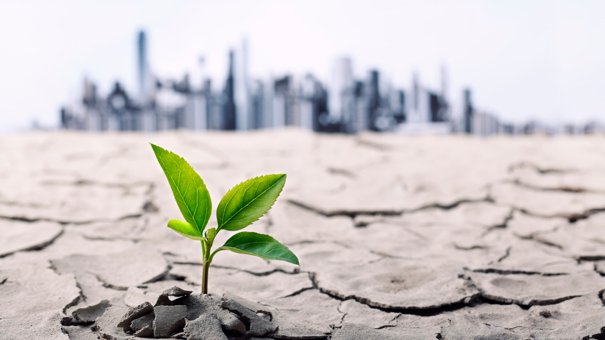
As global temperatures rise and climate patterns shift, forecasting the long-term future of our planet becomes increasingly complex and uncertain.
While a vast amount of data confirms that the Earth’s climate is escalating in temperature, the speed of these changes challenges scientists’ ability to make precise long-term predictions. If we struggle to accurately forecast weather for the upcoming week, imagine the difficulties in projecting climatic outcomes decades away.
Nevertheless, experts have identified six general trends that seem likely to shape the future of our environment and economy.
1. Increased Costs for Water
Water is undeniably our most vital resource. Predictions indicate that, within the next half-century, access to safe drinking water may become increasingly scarce, primarily influenced by current climate models and the methods we employ for water collection and storage. About 50% of the global population depends on groundwater for drinking, with urban demand anticipated to surge by 55% by 2050, according to insights from National Geographic. This groundwater is replenished through precipitation.
According to climate forecasts, while increased precipitation might suggest an ample groundwater supply, this is misleading. Groundwater accumulates over time through consistent precipitation and snowmelt. If forecasts hold true, northern hemisphere snowfall could decline significantly—by 10% to 30%—over the next century. Heavy rain events, often arriving in unexpected, voluminous bursts, can lead to overwhelming flooding rather than replenished aquifers.
Moreover, elevated temperatures will worsen water quality as rising seawater contaminates freshwater supplies in low-lying coastal regions. Drought conditions will intensify the concentration of contaminants, posing health risks to populations. Excessive rainfall can also impose financial burdens on municipalities, especially if stormwater overwhelms sewage systems, as was observed in Seattle in February 2017, leading to millions of gallons of untreated wastewater entering Puget Sound. All these factors point to a definite trend of rising costs for potable water in the coming decades.
2. Escalating Energy Costs
Recently, the North American energy market has benefitted from an influx of affordable oil and natural gas due to fracking, a technique that extracts fossil fuels from shale using pressurized water. However, as freshwater supplies shrink and water prices rise due to climate shifts, a decline in fracking production or fossil fuel demand may follow.
Additionally, vulnerabilities may extend to alternative energy sources. Rivers that serve hydroelectric facilities might experience reduced water flow because of changing precipitation patterns and increased evaporation. The same applies to coal and nuclear power plants, which also require water for cooling. A lack of reliable water sources could lead to power outages, particularly during peak consumption times.
On the positive side, innovations in renewable energy technologies, like solar and wind, along with enhanced battery storage solutions for residential electricity, present potential solutions. Local energy grids, known as microgrids, are also emerging as self-sufficient alternatives to the aging U.S. power infrastructure.
3. Higher Food Prices
The implications of rising temperatures for agriculture are complex. While warmer weather and increased carbon dioxide can boost crop yields, the emergence of new pests and diseases could counteract these benefits. Consequently, predicting future food prices, influenced by an array of factors beyond just production levels, remains challenging.
Data from National Geographic suggests a mixed outcome for various crops:
- Corn yields may drop by up to 20% in the U.S. Midwest and 16% in Brazil, with rising corn prices affecting meat production costs significantly.
- In northern Europe, potato production might rise, while southern regions risk becoming more drought-afflicted.
- Regions like West and East Africa may cultivate more industrial agriculture, yet arable land losses loom for countries like China and India.
As climate change progresses, American consumers may face a considerable reduction in fresh produce availability, leading to price surges. California, a major supplier of fruits and vegetables, is bracing for more frequent droughts and heat waves that threaten its agricultural output. Furthermore, declining water quality and acidifying oceans, due to rising carbon dioxide levels, could result in fewer seafood options and increased costs.
4. Declining Property Values in Flood-Affected Areas
Extreme weather patterns are not only unpredictable but are also leading to more severe hurricanes and storms associated with rising ocean temperatures.
As a consequence, the value of coastal properties is likely to diminish significantly in the next 50 to 100 years. Data from the National Ocean Service indicates that in 2010, 39% of the U.S. population resided in coastal counties, with an additional 8% projected to join them by 2020. Coastal property owners must contend with escalating risks from sea-level rise and increasing insurance premiums due to flood-related damage.
Though the real estate market’s response to climate change has been gradual, early signs indicate a shift. For instance, home sales in Miami-Dade County’s high-risk flood areas have decreased by approximately 7.6%, even as national sales have seen a 2.6% increase, as reported by the New York Times.
5. Rising Homeownership Costs
Traditionally, real estate agents emphasize three vital considerations for homebuyers: location, location, location. Today, the implications of climate change make these considerations even more critical. Prospective homeowners must now evaluate: Could my property be at risk from flooding? Are wildfires a concern in this vicinity? Such factors could drastically affect property prices and associated costs.
Living in high-risk areas may lead to increased insurance premiums and additional fees to support firefighting efforts, as proposed in regions like Washington State. These expenses add another layer of financial strain for homeowners.
6. Escalating Healthcare Expenses
Places like Beijing and Bangkok illustrate how severe air pollution can negatively impact health, linking conditions like asthma and emphysema to a polluted environment, which also contributes to climate change.
Warmer temperatures and elevated carbon dioxide levels can trigger increased pollen production, exacerbating allergy symptoms. Additionally, milder, wetter climates facilitate the spread of disease-carrying insects such as mosquitoes. In the Western U.S. and Canada, bark beetles that are damaging forests contribute to larger wildfires, which further threaten individuals with respiratory conditions.
Enjoyed this article? Pin it!