Maximizing Savings on Indoor and Outdoor Plants
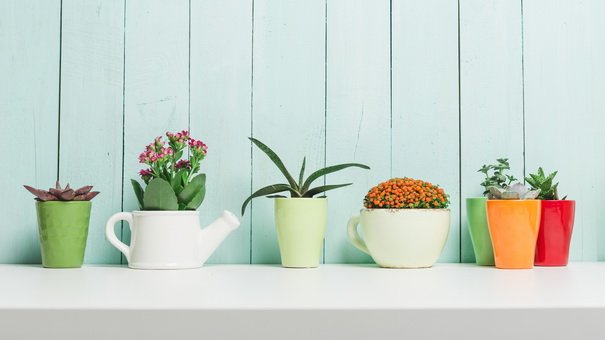
Bringing greenery into both your indoor and outdoor spaces can create a warm, inviting atmosphere in your home. However, purchasing plants—whether real or artificial—can quickly impact your decorating budget. Here are some economical strategies to add a touch of nature without straining your wallet. (See also: 6 Unexpected Ways Houseplants Can Save You Money)
Make Your Own Air Plants
During a recent visit to a nursery, I was shocked to find air plants nestled in seashells priced at $13 each—an outrageous markup considering their individual costs. Air plants can typically be found for under $4 each on Amazon, and seashells are easily collected during a stroll along the beach. These plants thrive without soil, but they still require water, light, and proper care. You can acquire a pack for less than $10 and nurture them effectively. (See also: 9 Easy-Going Plants That Will Add Cheer to Your Home Until Spring)
Transform Food and Decorative Jars into Planters
Rather than discarding used candle jars, try repurposing them. To remove leftover wax, simply soak the jars in boiling water for about a minute, wipe out the residue, and then give them a thorough cleaning with soap and warm water. These decorative jars make perfect planters.
Old food jars can also serve this purpose well. I particularly recommend the new Oui by Yoplait yogurt jars as charming mini planters. Their unique design without lids makes them look more sophisticated compared to ordinary jars.
Just remember to choose plants that don’t require excessive water, especially if your containers lack drainage holes.
Repurpose Deep Dishes and Wooden Boxes
Before throwing away old dishes or wooden boxes, consider their potential as planters. For example, I’ve repurposed a couple of modern deep dishes from CB2 that I no longer use for serving because they’re chipped. By placing the chipped side at the back, they serve as attractive planters on coffee tables or mantles.
Gather Seeds from the Woods
Nature offers an abundance of resources, and you can take advantage of this by gathering seeds or identifying plant species from public woodland areas that are suitable for your garden, whether indoor or outdoor. Gently dig them up and replant them at home, but be modest in your harvesting. Using apps or gardening books is a great way to learn more about plant types.
Make sure you do not trespass on private property, and avoid collecting from protected areas such as state and national parks to avoid fines.
Take Cuttings from Family Members’ Plants
I remember my grandmother’s spider plant, which the family would often snip from to propagate new plants. This technique can be used for a variety of plant species, as explained by the Texas A&M AgriLife Extension. (See also: 13 Basic Gardening Skills Anyone Can Learn)
Explore Marketplace Websites
While seeking budget-friendly plants, keep an eye on platforms like Craigslist, Facebook Marketplace, and Letgo, where others may be giving away their plants.
“Browsing free sections of local Facebook groups or Craigslist can occasionally lead you to excellent houseplants that may just require a bit of TLC,” suggests Vicky Popat, owner of PlantOGram.com. “In urban areas, you might even spot potted plants left on the curb. Be sure to check for pests before bringing them home.”
Look for Clearance Deals
Like many products, plants can also be found on sale. Visit your nearby nursery or large hardware stores to uncover discounts. Don’t hesitate to ask staff members for information on clearance items. If the plants on sale aren’t the most visually appealing, think about how you could enhance their appearance with a more decorative pot or by tidying them up a bit. Often, trimming dead leaves and wiping down dirty foliage can rejuvenate a plant.
Grow Your Own Herbs
Herb seeds are quite inexpensive, and you can often find fully grown herb plants at grocery stores for $3 to $7. These plants can bring vibrant greenery to your space, and you’ll save money in the long run by snipping herbs from your own mini garden. (See also: 6 Edible Decorative Plants)