The Expense of Staying Warm
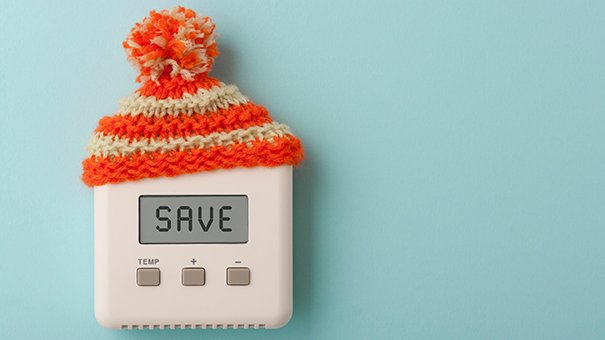
Are you feeling the cold? You’re certainly not by yourself. As temperatures drop across the U.S. and other regions, individuals are pulling out their winter wear, adjusting their heaters, and exploring various methods to stay warm. Have you ever considered what this might cost? Below are some figures to think about while you sip your hot cocoa.
Expenses of Staying Warm
Let’s begin by assessing the costs related to staying warm, right within the comforts of your own home.
Heating Costs for Homes
Heating your residence is typically one of the most considerable expenses. For example, Massachusetts provided estimates for annual home heating costs categorized by fuel type last year. The figures are quite alarming, yet, unexpectedly, they reflect a decrease of about 22% on average compared to the previous year.
- $879 for natural gas;
- $2,248 for oil;
- $2,569 for propane;
- $697 for electric heating.
Important Note: Your heating expenses will vary based on multiple factors, such as the energy efficiency of your home and the condition of your heating systems.
My partner and I discovered firsthand that replacing a gas furnace and having it installed can easily set you back $4,000 or more. And if your furnace fails during freezing temperatures, especially with a newborn at home, it’s not really an expense you can defer.
Investing in Energy Efficiency
Many homeowners opt for significant renovations to enhance their residences’ energy efficiency. Installing insulation in attics and walls is a favored option for retaining heat. According to HomeAdvisor, the average cost for blown-in insulation ranges from $875 to $1,897.
Here are some average prices for different types of insulation:
- $1,000 for spray foam insulation;
- $300 to $500 for fiberglass batt;
- $675 to $1,075 for reflective or radiant barriers.
Fortunately, this expense is mainly a one-time investment. Enhancing your home’s insulation can lead to annual savings of up to $500 (in the case of spray foam) on heating and cooling costs. Additionally, several states provide weatherization rebates and tax credits. Check out Energy.gov to see if you qualify.
Environmental Impact
Beyond financial considerations, heating homes exerts pressure on our planet’s resources. It depletes fossil fuels that are already limited in supply. Moreover, there is energy consumption and financial cost involved in sourcing, transporting these fuels, and dealing with the waste generated from this process.
Currently, fossil fuels account for about 81% of the energy consumption in the United States. When discussing climate change, a significant portion relates to home heating, as 12% of overall greenhouse gas emissions in 2014 were attributed to fossil fuels used for heating.
Eco-Friendly and Budget-Friendly Ways to Stay Warm
Here’s the silver lining: Minor adjustments to your daily routine can help you stay warm without straining your wallet or impacting the environment negatively.
Dress in Layers
Before you raise the thermostat, consider your clothing. Start with a moisture-wicking base layer made from polyester, and don’t forget to don hats and scarves—even while indoors! The Old Farmer’s Almanac suggests keeping your feet warm too. Think about investing in slip-resistant slippers or cozy wool socks.
Schedule Your Thermostat
By lowering your thermostat by 7 to 10 degrees during the eight hours you’re away at work, you can cut your energy costs by up to 10%. To make it even easier, consider installing a programmable thermostat that will manage the adjustments for you.
Utilize the Fan Trick
Change the direction of your ceiling fan to circulate warm air (typically clockwise) during the winter months. The fan will pull air upward from the center of the room and push it downward along the walls, resulting in a more uniform temperature throughout the space.
Seal Up Drafts
Conduct a quick energy audit of your home by checking for drafts around windows, doors, and any crevices. Adding weather stripping can efficiently seal gaps and prevent heat loss.
If you notice drafty windows, consider using plastic or bubble wrap for insulation. Simply frame the window with double-sided tape, stick the bubble wrap on, and cover it with plastic film insulation for added protection.
Take Advantage of Sunlight
Open your curtains during the day to let natural warmth in, and close them at night to trap heat inside. Investing in thermal curtains might help you reduce your heating and cooling expenses by up to 25%.
Rearrange Your Furniture
Enhance the layout of your rooms by moving furniture so it doesn’t obstruct vents or radiators, maximizing heat distribution. If your floors are bare, consider adding rugs to help insulate against the cold.
Also, if certain rooms are infrequently used, close them off to minimize the space that needs to be heated—just make sure to shut the vents in those areas.
Explore Alternative Heating Methods
There are alternatives to traditional heating methods, such as wood heat, which is renewable (though carbon-intensive). Newer wood stoves are more efficient and produce less pollution than older models, yet many environmentalists steer clear of wood due to its pollution levels. Pellet stoves, however, offer a cleaner option.
A particularly clean option is solar heating. You might consider installing a solar hot air system which uses collectors on south-facing walls and fans to circulate warm air indoors. For those constructing new homes, passive solar designs can provide 50% to 80% of your heating needs.