Top 10 Valuable Plants for Your Spring Garden
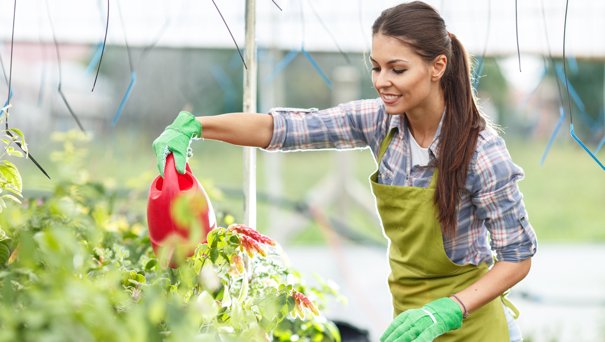
As the days become longer and temperatures rise, I find myself gazing out my window, pondering what to cultivate in my garden. Traditionally, my choices are influenced by my personal taste preferences or the plants that thrive in my area. However, this year, I’ve opted to approach my gardening plan from an economic perspective. Taking into account the potential value of the yield, anticipated production amounts, required garden space, and overall appeal of the crops, I’ve compiled a list of the top 10 most lucrative plants to nurture in your garden this season.
1. Garlic
Garlic ranks among the pricier items in grocery stores, making it a smart choice to grow your own. Whether you purchase whole cloves, pre-washed striped cloves, or minced garlic, costs can really add up. By cultivating your own garlic, especially as a perennial, you can enjoy savings and avoid the hassle of replanting each year.
2. Cilantro
While cilantro may seem budget-friendly at the store, it often goes unused in home kitchens. It boasts one of the highest dollar returns per square foot when cultivated in optimal conditions. Although cilantro is an annual, it self-seeds so profusely that it may give the impression of being a perennial.
3. Lettuce/Mixed Greens/Spinach
Whatever leafy base your favorite salads require, it’s a savvy move to grow your own this spring. Greens like spinach, mixed salad leaves, and lettuce tend to be quite overpriced in stores, as consumers often bear the cost of convenience associated with pre-packaged items. By planting these yourself—along with arugula and Swiss chard—you maximize your return per square foot and ensure the cleanliness of your harvest.
4. Chives
Chives, like garlic, are a perennial herb, which means you only need to plant them once and can expect them to regrow annually. They are also a top contender in terms of dollar value produced per square foot under suitable growing conditions.
5. Cherry Tomatoes
There’s a unique pleasure in savoring a cherry tomato right from your own garden. Due to their small size, these tomatoes are easy to consume in large quantities, allowing you to bypass high store prices by picking them straight from your plants.
6. Peas
Why settle for frozen peas when you can experience the joy of harvesting your own? Enjoy the satisfaction of shucking homegrown peas and consider freezing any extra for year-round use.
7. Bell Peppers
Watching bell peppers grow is a fascinating process. They start off small and gradually develop into colorful fruits, with options to harvest red, orange, yellow, or green based on ripe timing. Purchasing these from a store can be pricey, so growing them at home is a cost-effective alternative.
8. Jalapeño Peppers
This spicy variety of peppers is not only delightful to grow but also tends to cost less than store-bought options. Ensure they receive plenty of sunlight, as these sun-loving plants thrive under direct rays.
9. Artichokes
Artichokes are another perennial treasure. Although they are less expensive to grow than to purchase, they require moist soil to flourish and should be kept clear of weeds that might impede their growth.
10. Onions
Although onions might not seem costly, growing your own can lead to significant savings over time. If you opt for scallions, you can enjoy a quick harvest in just 20-30 days!
Maximizing Your Gardening Potential
You don’t necessarily need a traditional garden to grow these valuable plants; container gardening on a patio or balcony can work just as well.
Additionally, consider the spatial requirements of each plant when planning. Smaller plants tend to occupy less space, allowing for a greater variety in your gardening endeavors.
Evaluate Hardiness
When choosing which plants to cultivate, assessing their hardiness and compatibility with your climate is essential. Attempting to grow high-value crops in unsuitable climates often leads to disappointment. Utilize the USDA hardiness map to determine your zone, and refer to seed packets or catalogs to ensure the plants you wish to grow are well-suited for your area. If you have ample space, consider incorporating larger plants like squash or pumpkins into your garden as well.
Enjoyed this article? Pin it!