What SNAP Benefits Can and Cant Purchase
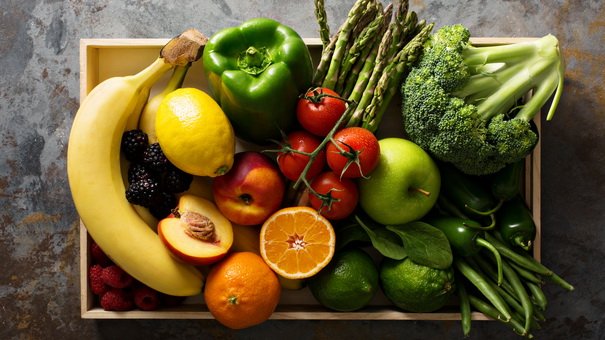
The Supplemental Nutrition Assistance Program (SNAP), which was formerly referred to as food stamps, has been a subject of ongoing debate. Its primary objective is to help ensure that individuals have enough food to eat, and the program emphasizes that applicants deserve to be treated with “dignity, consideration, and respect.” Nonetheless, SNAP has a myriad of complex regulations for participants, leading to various opinions about whether beneficiaries are making “acceptable” purchase decisions with their benefits.
Recently, SNAP has gained attention in the media and sparked numerous discussions on social platforms due to three significant events.
To begin with, Amazon recently launched its first automated grocery store, Amazon Go, where customers can enter using an app, pick what they need, and exit without a traditional checkout process. However, SNAP is not accepted in these stores.
Secondly, a petition has emerged calling for the inclusion of pet food in SNAP benefits, allowing recipients to purchase food for their animal companions along with their own groceries.
Lastly, Mick Mulvaney, the director of the Office of Management and Budget during the Trump administration, proposed a plan to replace traditional food assistance with a “Blue Apron-style” package filled with canned goods and shelf-stable items.
These developments prompted us to explore what items can be purchased through SNAP and those that cannot.
Eligible Purchases with SNAP
SNAP beneficiaries frequently face criticism, particularly from those who believe low-income individuals should have strict limitations on what they can buy with public funds. However, defenders of SNAP argue that restricting spending choices can be seen as intrusive. Generally, SNAP allows for the purchase of food items, with certain restrictions and exceptions.
Energy Drinks
Energy drinks, including popular brands like Red Bull, have been purchasable with food stamps since 2013, following changes in labeling that shifted from “supplement facts” to “nutrition facts.” Although there have been attempts to disqualify them from eligibility, as long as they remain classified as food items, they will remain on the list.
Luxury Foods
In theory, SNAP recipients can buy high-end food items like steak, lobster, and shrimp, which has led to legislative proposals to exclude such purchases. However, data from the Bureau of Labor Statistics indicates that individuals qualifying for SNAP typically spend only about 10 percent of their monthly grocery budget on expensive meats and seafood.
Junk Foods
While it’s true that many SNAP users purchase junk food, a 2011 USDA analysis revealed that 23 cents of every dollar spent on SNAP goes towards sugary drinks, snacks, and desserts, leaving the remaining 77 cents for essential meal ingredients. Comparatively, non-SNAP households allocate 20 cents of each dollar to similar indulgences, indicating similarity in shopping habits across payment methods.
Nutritionists raise concerns about the prevalence of junk food purchases by SNAP beneficiaries, as the program’s intent is to promote better health rather than exacerbate health issues like obesity. However, efforts to eliminate junk food from SNAP face challenges due to the complexity involved and ethical considerations concerning government oversight of food choices.
Birthday Cakes
Although hot, prepared foods are off-limits, baked goods like cakes, cookies, and muffins from grocery stores and some bakeries are eligible for purchase using SNAP benefits.
Holiday Items
Edible items such as Halloween pumpkins can be bought with SNAP, but decorative gourds cannot. Additionally, gift baskets and prefilled holiday stockings can be acquired provided that at least 50 percent of the contents consist of edible goods and do not include prohibited items, such as excessively non-food gifts.
K-Cups
SNAP users can purchase coffee in various forms, including single-serve K-Cups, instant coffee, and whole or ground coffee beans.
Taco Bell (under certain conditions)
While most SNAP beneficiaries are restricted to grocery purchases, some states offer a Restaurant Meals Program that allows elderly, disabled, and homeless recipients to buy meals from participating restaurants like Taco Bell, Denny’s, and Subway.
Seeds
In a 2014 update, SNAP allowed the purchase of seeds and plants capable of producing food, promoting home gardening among participants.
Farmers Markets
Participants can use SNAP to acquire fresh produce and homemade goods like jams and honey at farmers markets. However, the majority of market vendors primarily accept cash, while SNAP operates as a debit card. Efforts are underway by the government to facilitate more SNAP transactions at local markets through directories and incentive programs that offer bonuses for participating users.
Online Grocery Purchases
The USDA is testing a pilot program that enables SNAP participants to order groceries online. This initiative could provide significant advantages for those residing in food deserts, elderly or disabled individuals confined to their homes, busy parents, and anyone burdened by challenging work schedules that limit store access.
Cocktail Mixers
Although alcoholic beverages cannot be purchased with SNAP, eligible items include non-alcoholic mixers like beverages for mocktails, Bloody Mary mix, tonic water, and margarita mix.
Restrictions on SNAP Purchases
In contrast to the diverse range of eligible products listed above, there are numerous items that cannot be bought using SNAP benefits. Many of these prohibitions are straightforward; for instance, taxpayers are generally unwilling to finance purchases of cigarettes or alcohol. Nevertheless, there are credible arguments supporting the inclusion of some restricted items.
Rotisserie Chicken
Despite the fact that hot roasted chickens from delis can often be cheaper than raw chicken and contribute to healthier meals, SNAP recipients are not permitted to purchase any hot, prepared foods, including rotisserie chickens.
Toiletries
Household items such as soap, laundry detergent, and sanitary products cannot be purchased with SNAP, as they are not categorized as food. Given their essential nature, this restriction can pose significant challenges for those relying on SNAP benefits.
Pet Food
As previously mentioned, a petition advocating for the inclusion of pet food in the SNAP program recently garnered over 230,000 signatures. While it can be argued that pet ownership is a luxury not warranted by taxpayers, the counterpoint stresses that pet owners facing financial hardships may abandon their animals if they cannot afford food, leading to additional costs for the public concerning sheltering or euthanizing these pets.
Bag Fees
With increasing numbers of local governments implementing grocery bag fees to lessen waste, SNAP benefits cannot be utilized to cover these charges. Therefore, recipients must either use reusable bags or pay these fees out of pocket.
Shipping Costs for Food
SNAP users engaged in the online grocery pilot are responsible for covering any delivery or service fees with cash.
Live Animals
Though you can purchase live seafood such as crabs, buying live livestock, such as pigs or cows, is not permitted under SNAP regulations, despite potential long-term savings and nutritional benefits.
Alcohol and Tobacco
In general, alcohol and tobacco products are not eligible for SNAP purchase due to their non-nutritive nature and widespread public disapproval of subsidizing such items.
Enjoyed this article? Pin it!